01 June 2026
Share

Precision In Practice.

Quality Foundations For Future-focused Learning.

The completion of the St Teresa Library & Research Centre at Avila College was defined by careful planning, precision, and execution from day one. The project required a considered approach to ensure construction works were successfully carried out within a live and highly active school environment.


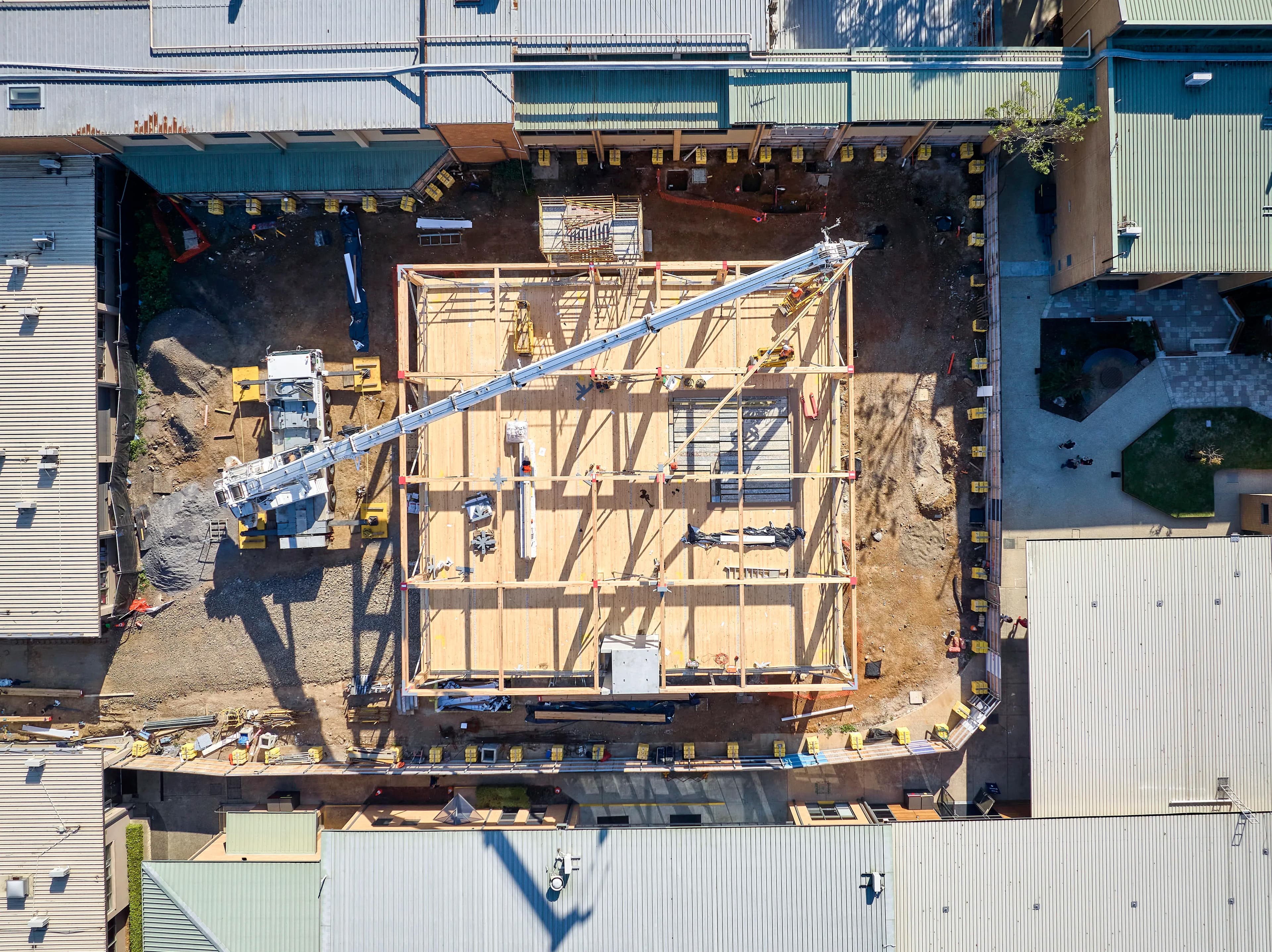
From the outset, the key challenge was access. The site sat within the centre of the campus, surrounded by operational buildings, leaving no direct pathway for construction works. Establishing access meant creating a route through an existing structure, alongside reconfiguring live services and maintaining safe, uninterrupted operation of adjacent facilities. This early phase set the foundation for the entire project, requiring detailed planning and a clear understanding of site constraints before major works could begin.
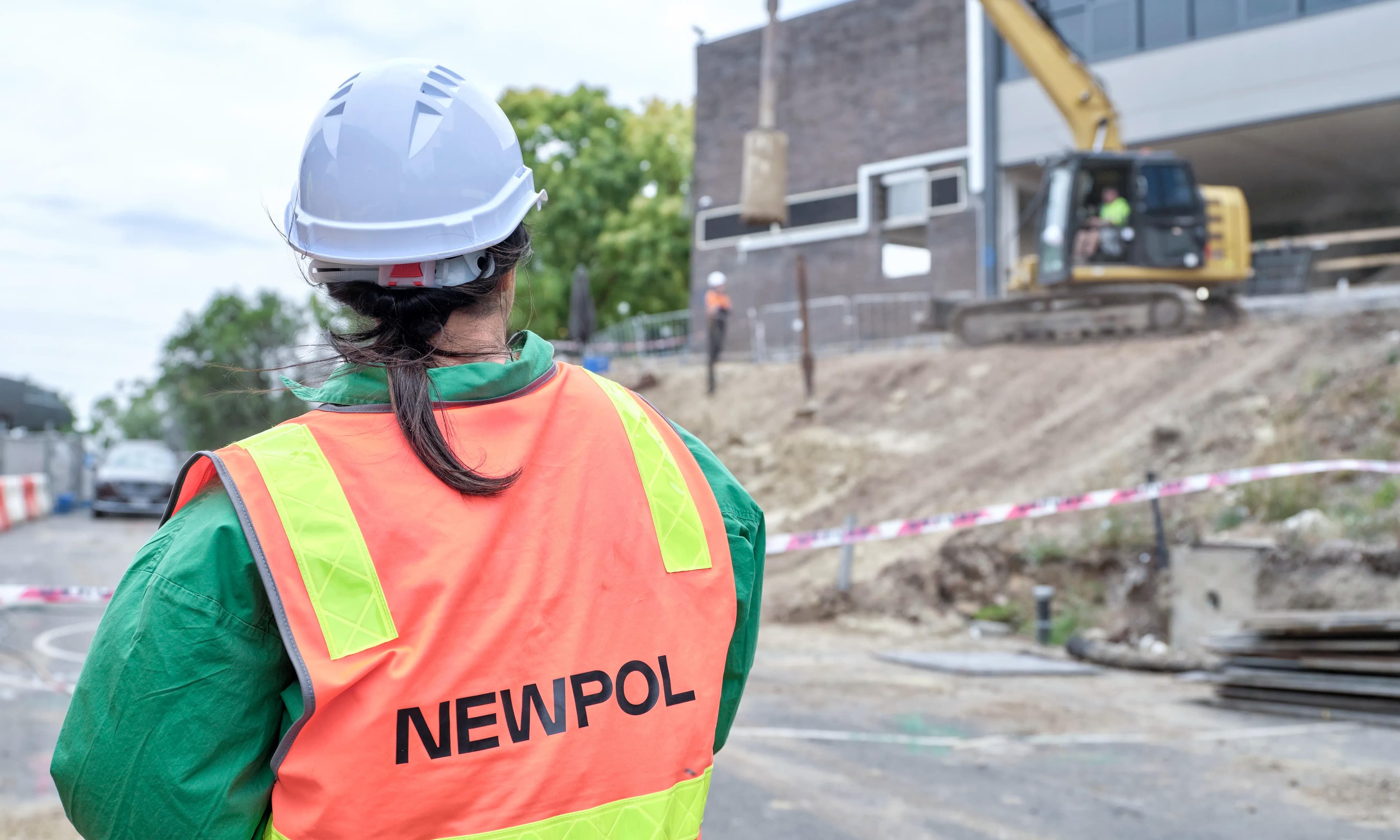
Adhering to the programme was a critical factor in the project’s success. With demolition occurring close to active learning spaces, key works needed to be completed during the December school holiday period. Mobilisation commenced within days of contract award to ensure these works were delivered within the brief, available window. This milestone was essential to maintaining the overall programme, as any delay would have pushed demolition into future school holidays, carrying significant time and cost implications.

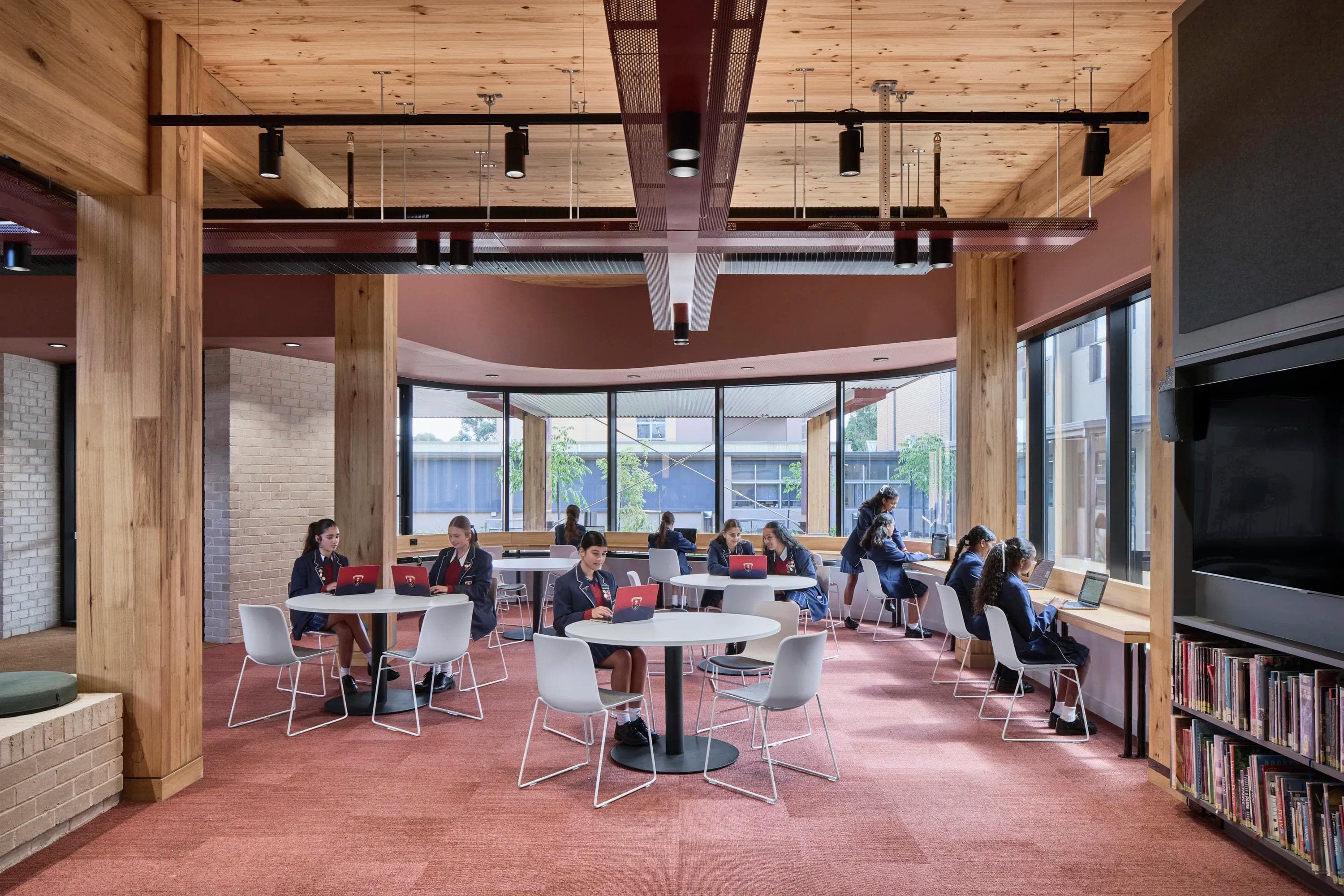
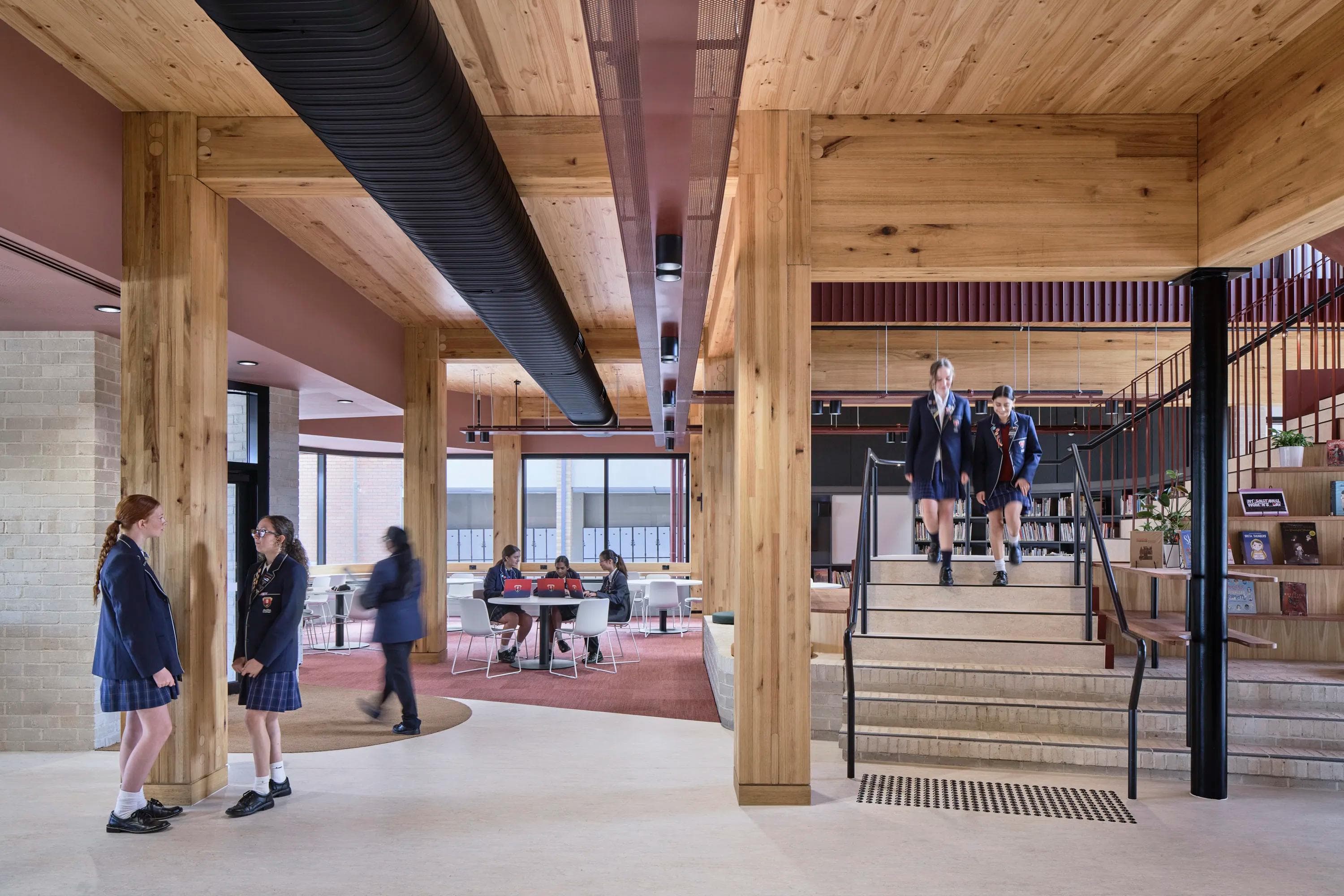
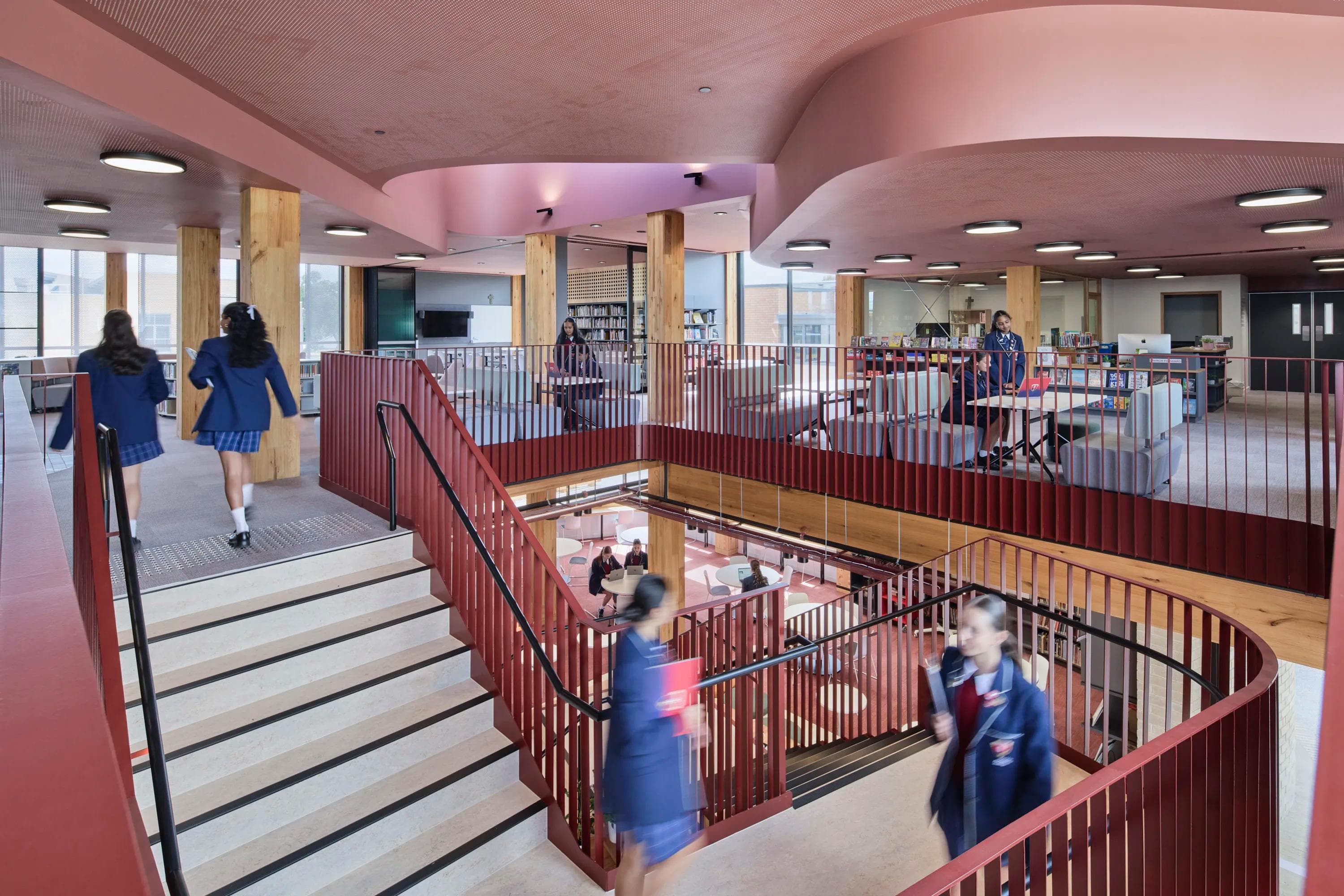
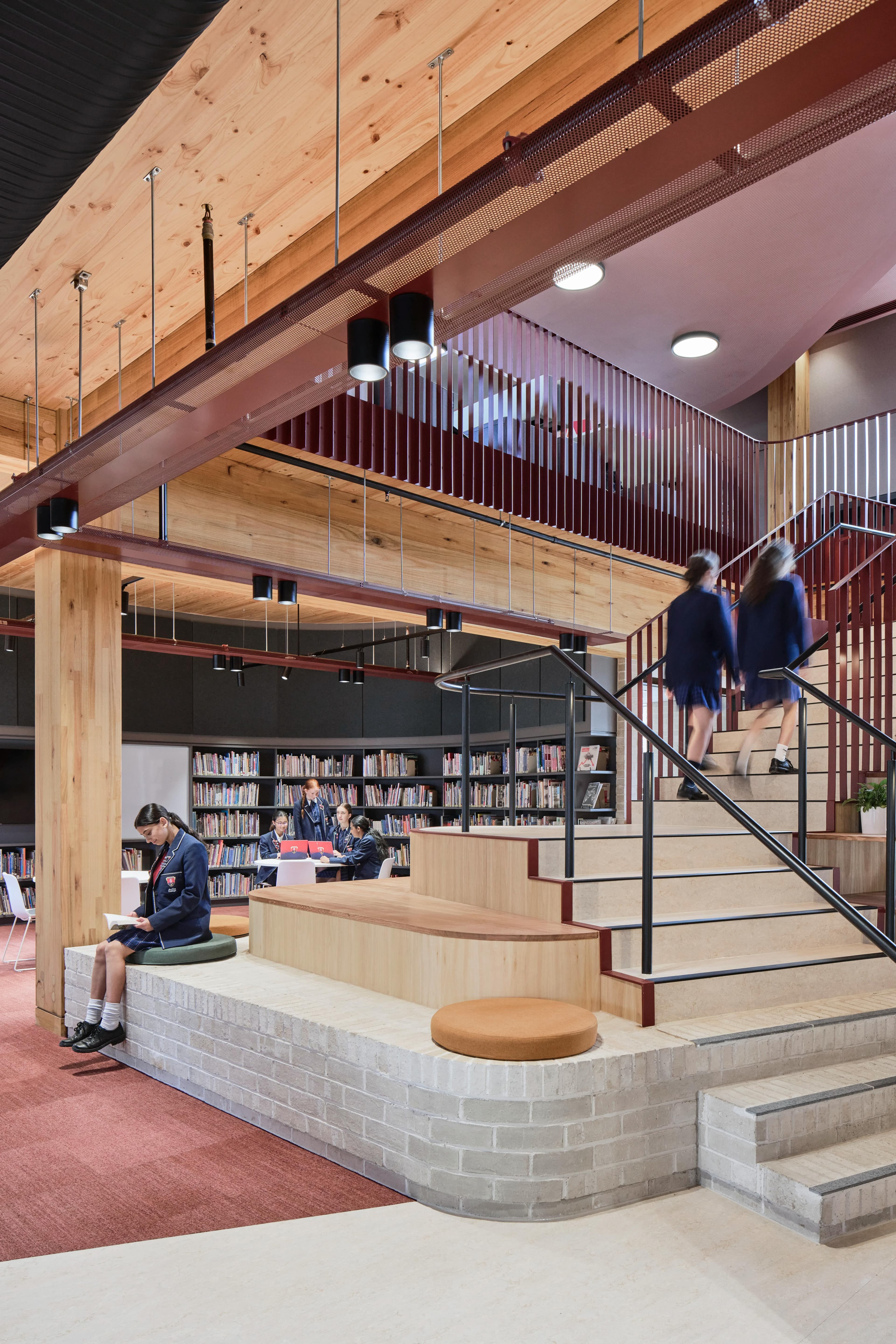
As the project progressed into the structural phase, the introduction of mass timber shaped the construction journey. The exposed CLT and GLT system demanded a level of accuracy well beyond conventional structural builds. With no applied finishes to conceal inconsistencies, every element—from set-out to installation—was delivered to finish-level tolerances. Early verification at slab level ensured alignment across the structure, while close coordination between trades enabled services to be seamlessly integrated within the timber grid.

Prefabrication played a central role in achieving both quality and efficiency. Structural elements were manufactured off-site and delivered ready for installation, allowing the timber structure to be erected in a significantly reduced timeframe. This methodology not only accelerated the programme but also reduced on-site congestion, improved safety outcomes, and minimised disruption within the school environment.

Working through winter conditions introduced additional complexity, particularly in protecting the exposed timber. A proactive quality assurance approach was implemented, with immediate protection measures following installation and carefully sequenced works to minimise exposure to moisture and damage. Handling, installation, and follow-on trades were all managed with the understanding that the structure itself formed the final architectural finish.

The prefabricated nature of the CLT system required all penetrations and service interfaces to be fully resolved prior to fabrication. This drove early engagement with subcontractors and generated a high volume of shop drawings across all trades, ensuring that every element—from structural steel and services to joinery and façade systems—aligned precisely during installation.

Logistics on site required equally detailed management. With a single access point through the operational school, all deliveries were carefully scheduled to avoid disruption to staff and students. In many cases, materials were delivered outside peak hours and manually moved into position. Clear communication with all subcontractors ensured that site constraints were understood and consistently managed throughout the project lifecycle.

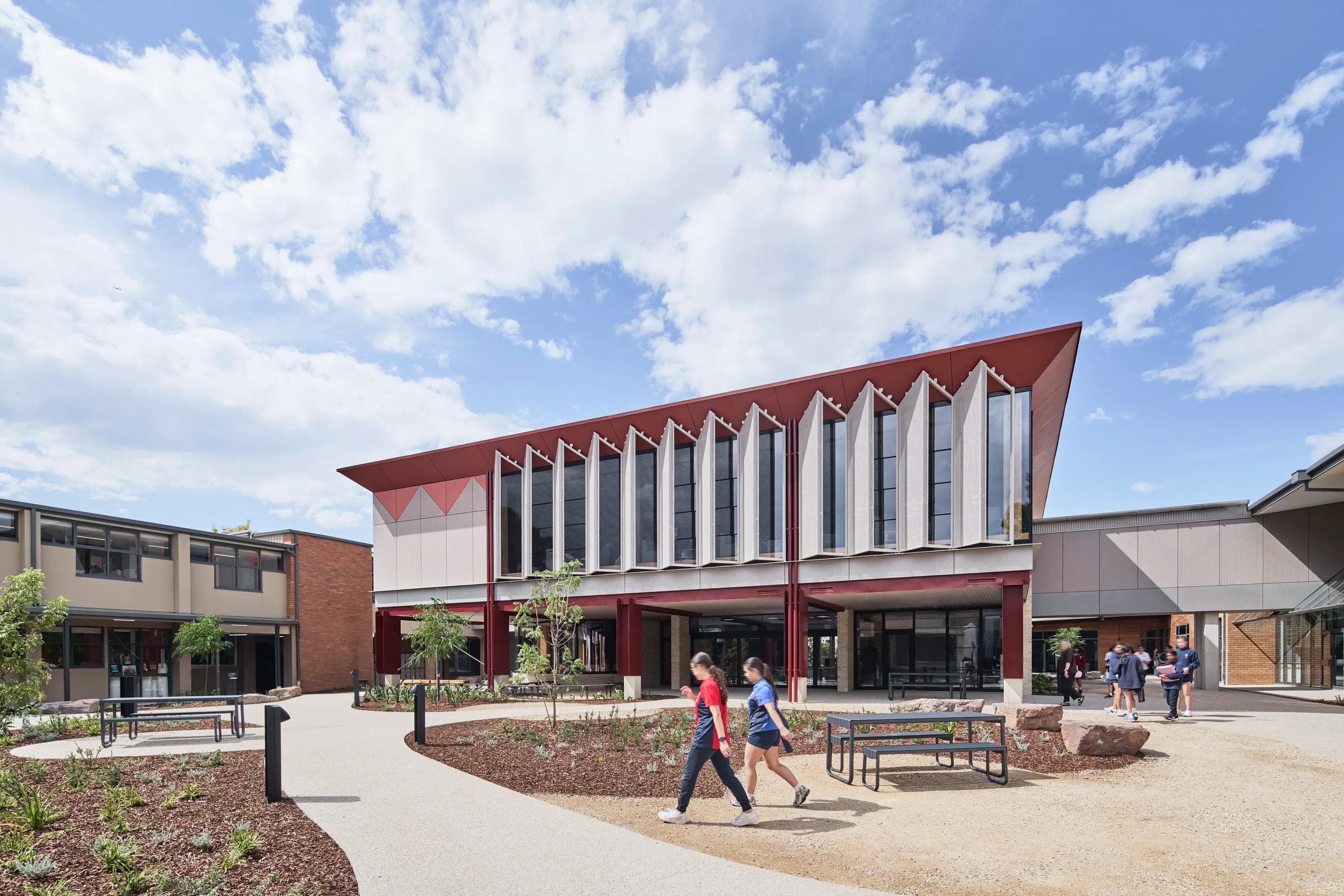
The integration of the new facility into the existing campus presented another key stage in the journey. Link bridges at first-floor level connected the building to surrounding structures, requiring precise alignment across all interfaces. These connections were critical in embedding the new facility into the daily flow of the school, transforming it from a standalone building into a fully integrated part of the campus.

Internally and externally, the project demanded a consistent level of finish across all elements. From the installation of the structural steel staircase within a confined footprint to the detailing of façade systems and internal finishes, each component required careful planning and execution. The exposed structure demanded an impeccable standard of quality across the entire project, resulting in a high level of collaboration with all trades.

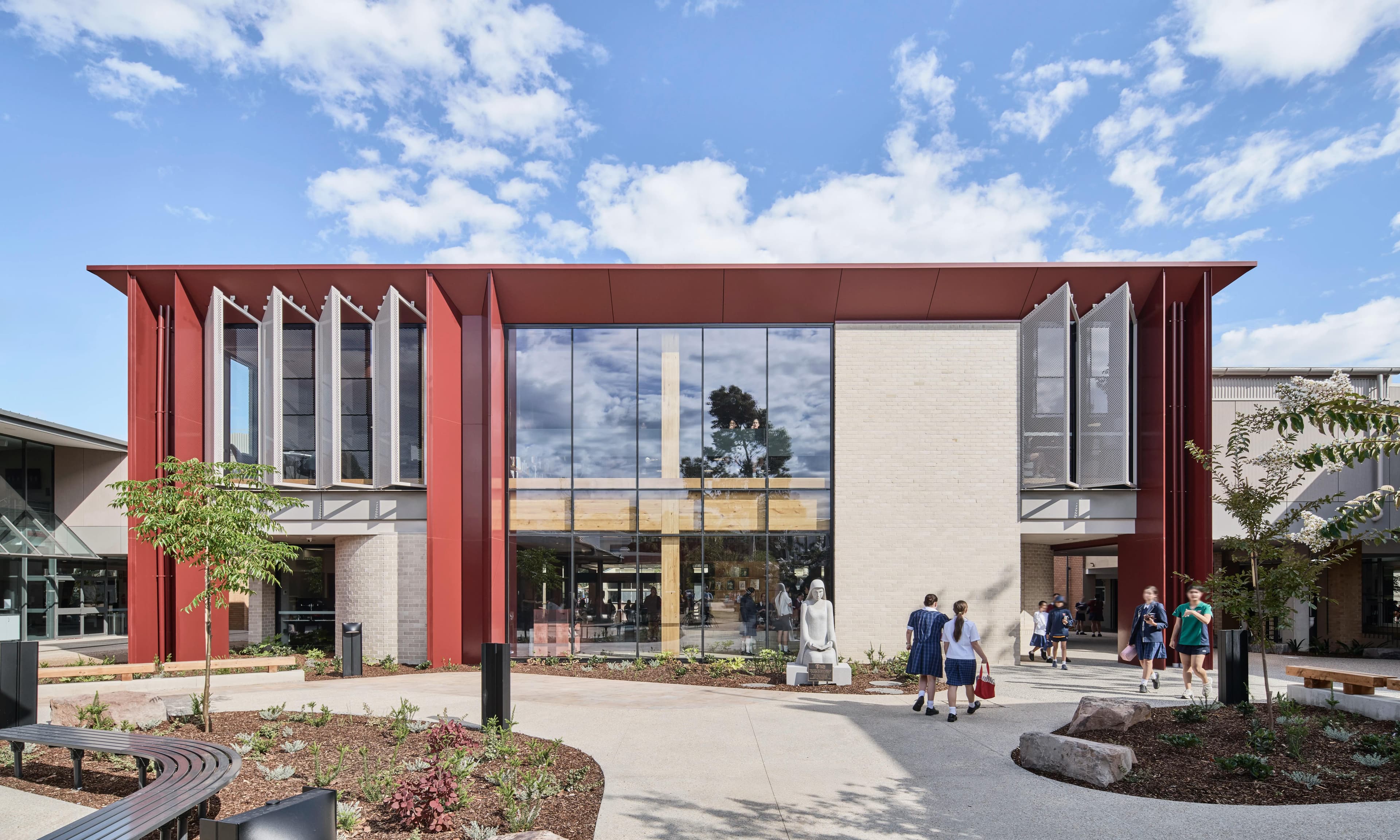
The result is a facility that reflects both the complexity of its delivery and the clarity of its intent. The St Teresa Library & Research Centre now operates as a central hub for learning, collaboration, and research, supporting a modern educational environment designed to foster independence and engagement among students. It represents the final stage of the College’s campus masterplan, following the successful completion of the previous two stages.


This project demonstrates how disciplined project management, early planning, and innovative construction methodologies can come together to deliver a high‑quality outcome under challenging conditions. It stands as a clear example of building with intent—where every stage of the journey contributes to a final result that is both functional and enduring.