05 March 2026
Share

Balance The Scales.

We're Not There Yet.

This year’s theme, 'Balance the Scales', is a reminder that progress toward gender equality isn’t automatic. It requires deliberate choices about how organisations recruit, develop, and recognise their people.


Most leaders would agree that gender equity matters. Yet, good intentions alone won’t close the gaps in pay, progression, safety or opportunity. Real progress comes from embedding equity into how we work every day.

It starts with visibility—because organisations can’t improve what they can’t see. When companies have clear insight into pay equity, representation, skills and career progression, gender equity becomes something they can actively measure and be accountable for, not just aspire to. It also means moving toward a more skills-based approach, where people are recognised for their capability, potential, and contribution at every level.

To reflect on this year’s International Women’s Day theme, we sat down with our Directors to talk about what 'Balance the Scales' means to them, what it will take to get there, and where Newpol stands today.
At Newpol, we recognise the importance of championing women every day, however, we acknowledge that there is still a long way to go in improving opportunities for women, particularly in the construction industry. We also recognise that we are not yet where we want to be—and that’s okay. Being transparent about that allows us to keep improving while acknowledging the progress we’ve made.

We’ve made meaningful, industry-first steps to better support women’s health and wellbeing, including the introduction of policies around menstrual, menopause, pregnancy and reproductive health. Our Menstrual & Reproductive Health Policy is designed to support female employees at all stages of life, while also normalising conversations to overcome stigma and shame. Since its introduction, we’ve seen strong engagement, with 61% of women in our workforce accessing the leave. Across an average of female employees, 8 have utilised the policy in the last year alone, with a total of 195 hours claimed—an average of 24 hours per person—demonstrating both uptake and growing trust in the support available.

“Women have different things to deal with in their day-to-day and that needs to be considered.”

Lukas Konieczny, Director.

We’ve also taken a hard look at where we’ve fallen short, for example, our approach to parental leave and supporting women’s return to work. We actively listened to our team in order to improve this.

As our DLP Manager, Eliza Barnes, shared: “Change doesn't happen overnight, but I have witnessed first-hand Newpol’s commitment to change for women in this company.”

Our current parental leave policy has been designed to support employees through this significant life transition by providing extended parental leave entitlements for employees of all genders, along with flexible unpaid leave options and “keeping in touch” days to help employees stay connected and transition smoothly back to work.

Both men and women are actively encouraged to utilise these additional entitlements, reinforcing our commitment to normalising prolonged periods of parental leave for men. This recognises the important role such policies play in shifting gendered stereotypes surrounding caring responsibilities and nurturing an inclusive, family-friendly culture.

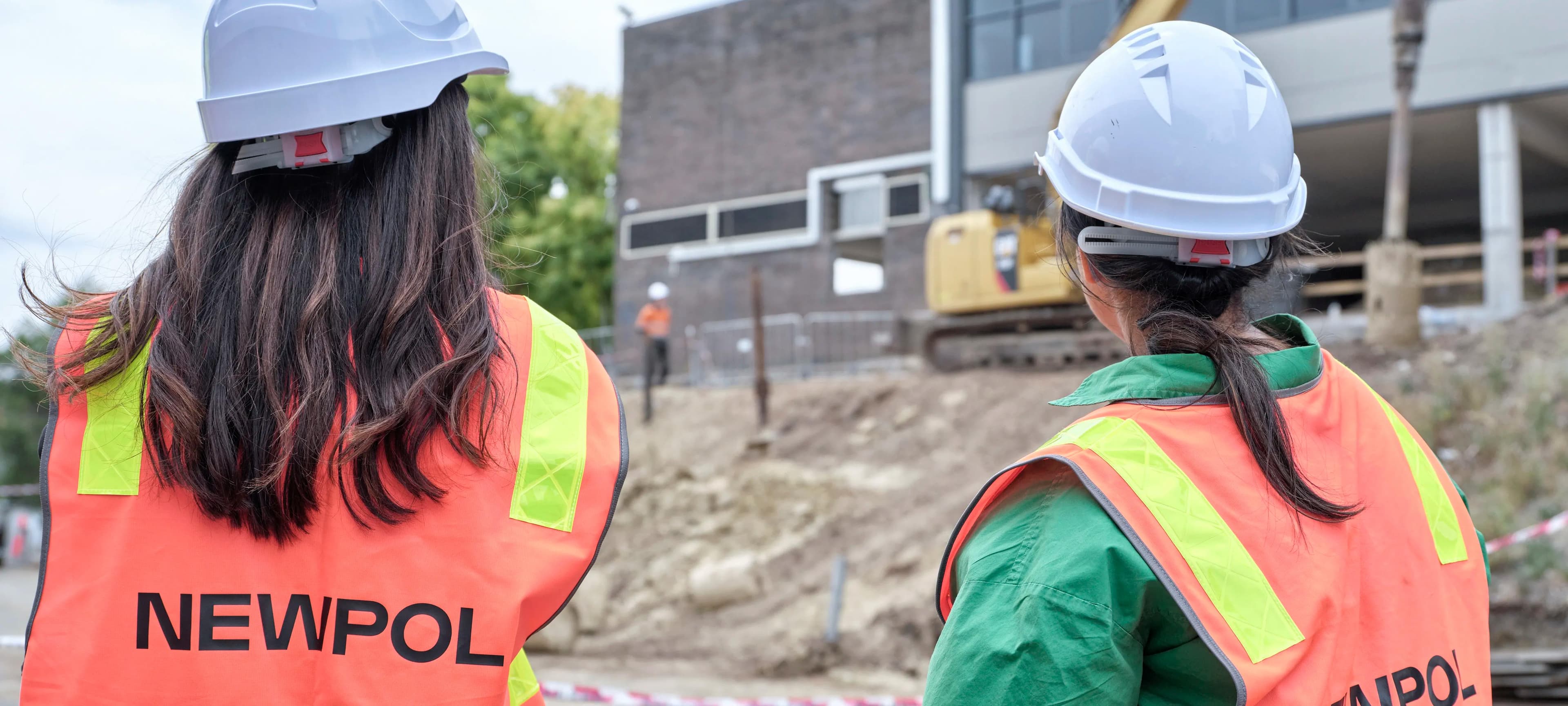
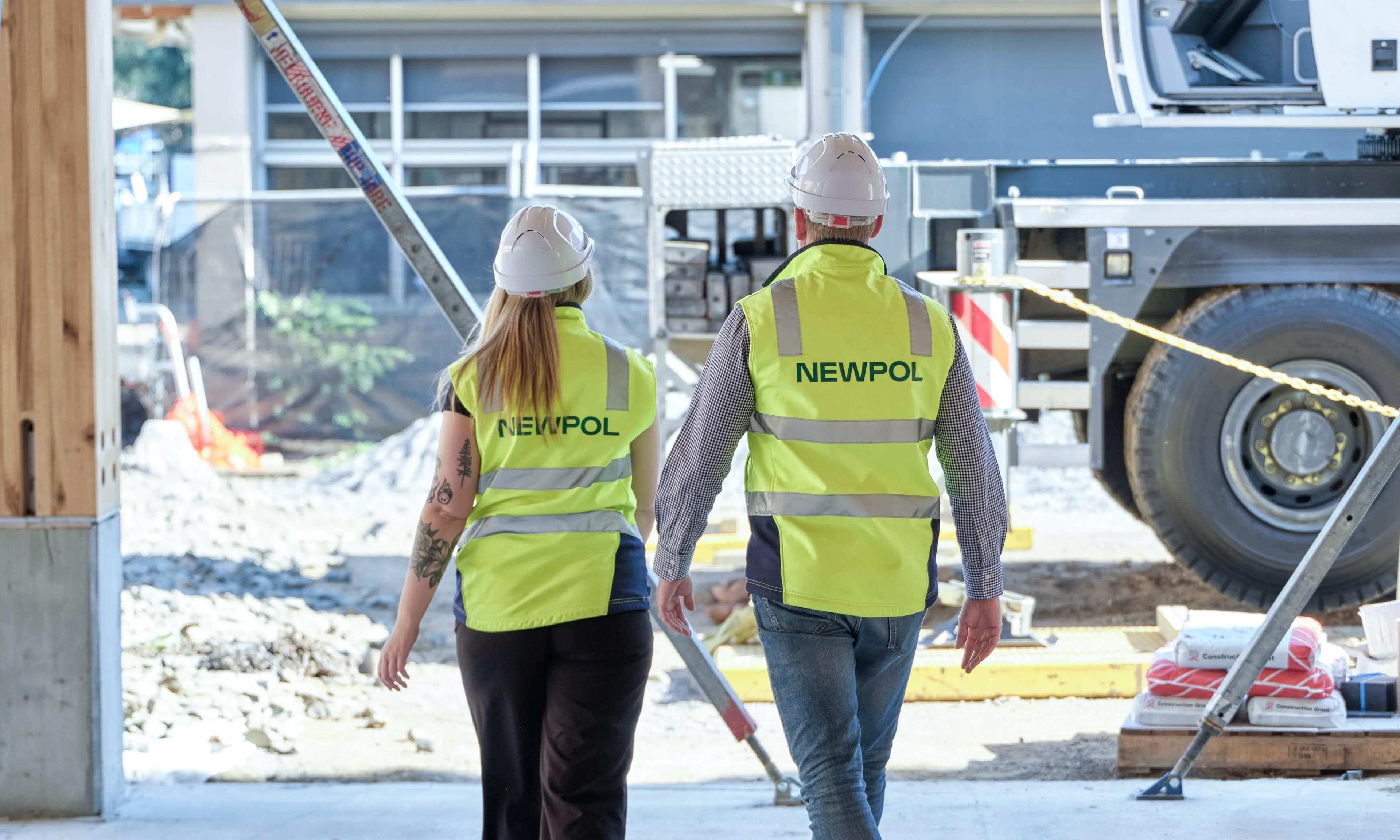
We have also enhanced onsite safety, addressing both cultural aspects and HSEQ practices to ensure our workplaces are safe, inclusive, and respectful for everyone. This includes the introduction of improved female amenities onsite and fostering a culture of male allyship, helping to ensure women are respected both onsite and in the broader workplace. Additionally, through our corporate membership with the National Association of Women in Construction (NAWIC), our employees have access to educational resources and events, networking opportunities, and a range of benefits through their Employee Assistance Program. Participation in these offerings is actively encouraged.

In addition, we continue to invest in career progression and leadership development across the business. This is not about creating opportunities based on gender, rather about recognising talent and supporting those who demonstrate capability and a desire to grow. We are seeing more women step into leadership pathways, and we are committed to continuing that momentum.

At the same time, we recognise the reality of operating within a male-dominated industry. Female participation remains low and, while policies and flexible working arrangements can improve accessibility, it is widely acknowledged that more needs to be done to attract and retain women in construction.

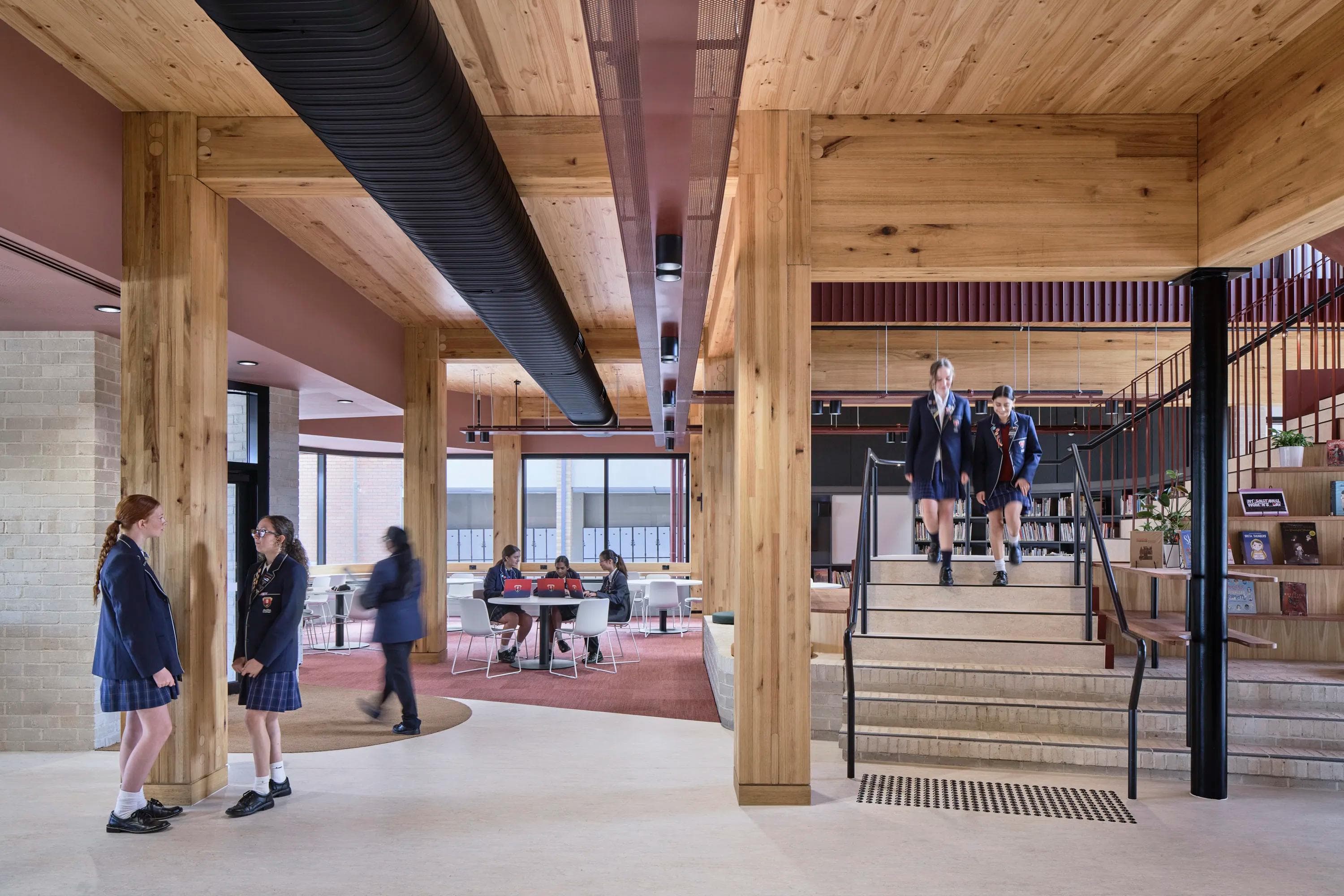
We are actively working to address this by engaging with schools to help influence attitudes early. Through our participation in careers days, we aim to promote the many opportunities within the industry while spotlighting the women across our business. Our “Careers in Construction” sessions—most recently delivered to entire Year 9 and 10 cohorts at Avila College Mount Waverley and Sacred Heart Girls' College—showcase the wide range of career pathways available and aim to inspire the next generation of women to consider a future in construction.

One of the biggest takeaways from our conversation with Alastair and Lukas was that championing women for just one day a year is not enough. Meaningful progress requires a collective effort, with men playing an active role in the conversation—particularly given the number of leadership positions they hold across the industry and broader society. It is not the responsibility of women alone.

Many women are already advocating, speaking up, and pushing for real change. However, genuine progress requires the involvement of everyone—especially male allies. Our leaders and colleagues must play a critical role in shaping the culture of our industry and workplaces. Men also need to be part of the conversations taking place today, because real change happens when everyone—not just women—is involved in the discussion.

We should celebrate the women in our lives and the progress we’ve made—small wins matter because they build momentum, strengthen culture, and show that change is possible. Yet the reality remains: our industry has a long way to go—and so do we. This isn’t about perfection or overnight results; it’s about a shared commitment to do better every single day. When companies make a deliberate effort to collect and report accurate data, they gain clear insights into pay equity, representation, skills, and career progression—making gender equity both measurable and actionable.

Together, let’s Balance the Scales, to lead workplaces that are fair, inclusive, and accessible for every woman and girl; to lead an industry where women feel safe, heard, respected, and empowered.